
The T-wave: physiology, variants and ECG features
The normal T-wave Assessment of the T-wave represents a difficult but fundamental part of ECG interpretation. The normal T-wave in adults is positive in most…

The normal T-wave Assessment of the T-wave represents a difficult but fundamental part of ECG interpretation. The normal T-wave in adults is positive in most…
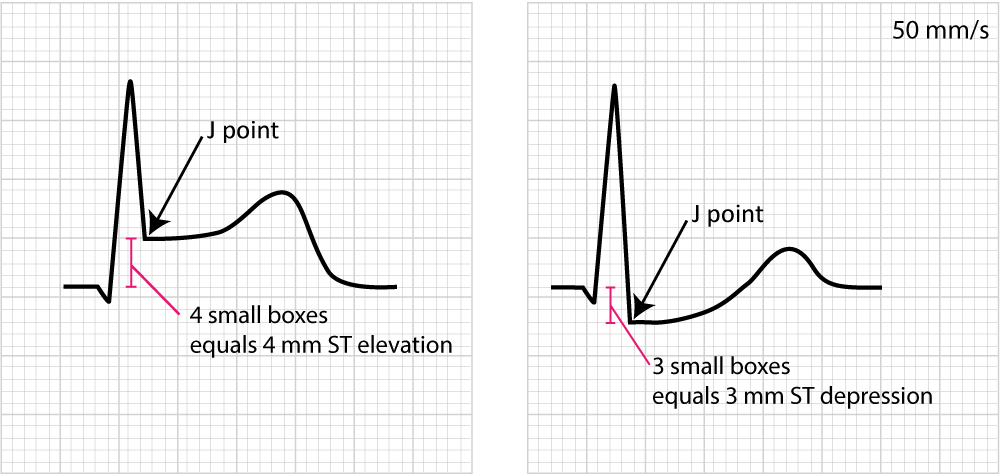
The ST segment: physiology, normal appearance, ST depression & ST elevation The ST segment corresponds to the plateau phase of the action potential (Figure 13).…

QT duration and corrected QT (QTc) duration ECG interpretation always includes assessment of the QT (QTc) duration. The QT duration represents the total time for de-…
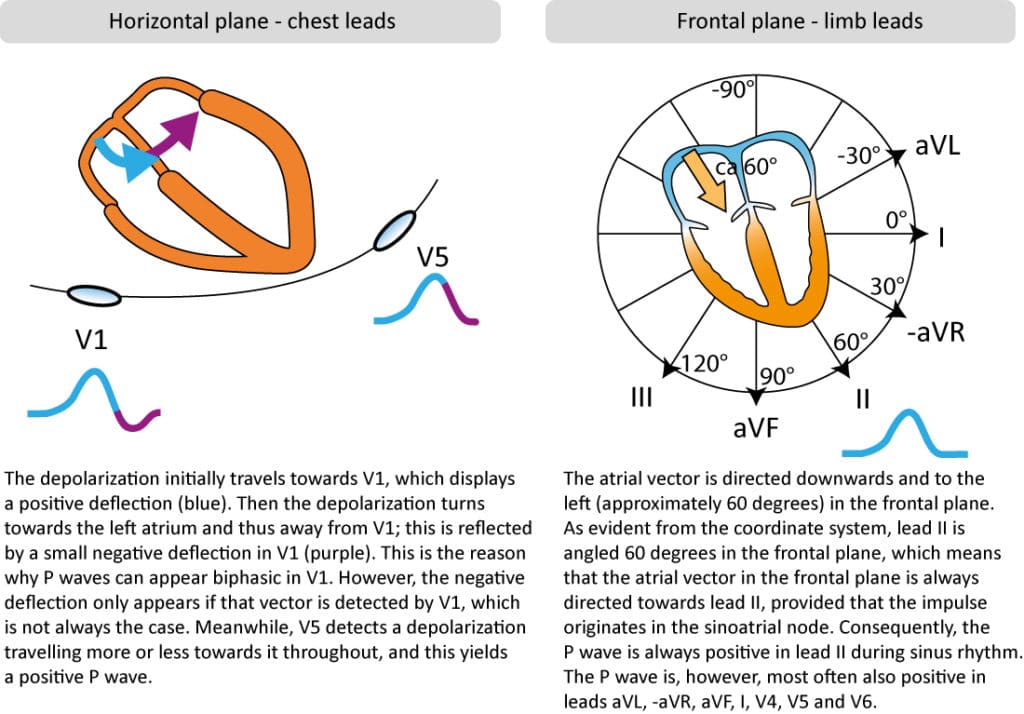
Physiology and ECG features of the P-wave, PR interval and PR segment The P-wave ECG interpretation usually starts with assessment of the P-wave. The P-wave…
The ECG shows AV-block III (complete heart block). P-waves are not related to QRS. PP-interval is constant, but independent of RR-interval, which is also constant.…

The QRS complex (ventricular complex): normal and abnormal configurations and intervals A complete QRS complex consists of a Q-, R- and S-wave. However, all three…
Video lecture: The ECG curve: P-wave, PR Interval, Q-wave, R-wave, S-wave, QRS complex, ST segment, T-wave and QT interval Summary of lecture The Normal…
Coronary artery disease: On LDL cholesterol, dietary fat & statins You are probably aware that ischemic heart disease, also known as coronary artery disease, has…
Principles of pediatric & neonatal ECG interpretation Pediatric and neonatal ECG interpretation follows the same principles as ECG interpretation in adults, but there are important…
E-resources you should bookmark Taming the SRU Drs Jeffery Hill, Ryan Lafollette and Bill Hinckley run this amazing website which includes everything from ultrasound knobology and…